
The problem with most “best Amazon finds” lists is simple: they are built for clicks, not for real life. They collect random trending products, stack a few vague benefits under each one, and hope that novelty does the rest. That approach is exactly why so many people end up with drawer clutter, one-use gadgets, and purchases that felt exciting for a day but never earned permanent space in the home.
This version takes the opposite angle. Instead of chasing whatever is loudest, this guide focuses on Amazon finds for 2026 that solve a recurring problem, fit naturally into everyday routines, and still feel worth owning after the first week. The result is a tighter, more useful shortlist: products that help with energy control, food storage, dark spaces, quick cleanup, and posture at your desk.
If you are trying to separate actually useful products from impulse-buy bait, this is the right place to start. And if you like the broader “problem-solving” angle, the site already has deeper companion reads on Amazon finds that solve everyday problems, Amazon finds under $50 that are actually worth it, and a sharper framework on how to choose budget finds without wasting money.
Quick answer / TL;DR
The best Amazon finds for 2026 are not the flashiest products. They are the ones that remove small frustrations you deal with repeatedly.
- Best smart-home starter: Smart Wi-Fi Plug with Energy Monitoring
- Best kitchen value: Compact Food Vacuum Sealer Machine
- Best renter-friendly upgrade: Rechargeable Motion Sensor LED Lights
- Best quick-clean tool: Cordless Handheld Vacuum Cleaner
- Best work-from-home upgrade: Adjustable Ergonomic Laptop Stand
Why most Amazon finds fail in real life
Most weak “must-have” products fail because they do not respect how people actually live. They promise transformation, but they introduce setup friction, require a new habit, take up space, or solve a problem that was never painful enough to begin with. A product can be clever and still be a poor buy if it does not fit an existing routine.
There are five common reasons this happens:
- The problem is occasional, not recurring. If the issue only appears once in a while, the product usually becomes storage clutter.
- The setup is more annoying than the problem. Any product that asks too much upfront has to deliver a huge payoff. Most do not.
- The product overlaps with something you already own. This is especially common with kitchen tools, cleaning gadgets, and desk accessories.
- The payoff is vague. “Feels premium” and “looks cool” can matter, but utility beats novelty in repeat-use categories.
- The product works in a demo, not in a routine. Social-media performance is not the same thing as daily usefulness.
That is why this guide is built around a practical filter: would you still reach for this product after the novelty disappears? If the answer is yes, it deserves serious consideration. If not, it belongs in the same bucket as impulse buys that looked smart at checkout and collected dust two weeks later.
The Buyers Choice Lab “repeat-use” framework
To keep this roundup grounded, every pick here has to pass four simple tests. This framework matters because broad pages like “best Amazon finds” can become thin and generic fast unless the selection logic is obvious. If you want products that survive beyond the hype cycle, use this filter before buying anything.
1) Friction frequency
Does it remove something annoying that happens multiple times per week? The more often the friction appears, the easier it is for the product to justify its place.
2) Setup-to-payoff ratio
Can you start benefiting from it quickly? The best Amazon finds are often not the most advanced products. They are the ones with low resistance and immediate usefulness.
3) Space efficiency
Does it deserve the room it takes up? This matters a lot in small kitchens, apartments, dorms, and shared homes.
4) Savings, comfort, or time
A product should create one of three real outcomes: save money, reduce effort, or improve daily comfort enough that you notice the difference.
This framework is also useful when you branch into related topics. For example, if you want finds that feel more design-forward, see the site’s guide to Amazon finds that feel expensive but are not. If your goal is a more polished but still budget-aware home, the companion article on affordable products with a premium feel applies the same logic from a style-first angle.
Quick comparison: the best Amazon finds to start 2026
| Product | Category | Best for | Typical budget | Why it earns a spot |
|---|---|---|---|---|
| Smart Wi-Fi Plug with Energy Monitoring | Smart Home | Automation beginners and energy-conscious households | Budget-friendly | Useful from day one and easy to integrate into existing routines |
| Compact Food Vacuum Sealer Machine | Kitchen | Meal prep, freezer organization, reducing waste | Mid-range | Turns better food storage into an actual weekly habit |
| Rechargeable Motion Sensor LED Lights | Home Organization | Closets, cabinets, hallways, renters | Budget-friendly | Solves a small but constant annoyance with almost no installation friction |
| Cordless Handheld Vacuum Cleaner | Cleaning | Cars, pet hair, crumbs, upholstery | Mid-range | Makes fast cleanup realistic before a mess spreads |
| Adjustable Ergonomic Laptop Stand | Office & Tech | Remote work, studying, posture improvement | Budget to mid-range | Improves comfort every time you sit down to work |
This table is deliberately short. A shortlist is more useful than a bloated roundup because it helps you match the right problem to the right category. If you want budget-first picks beyond this page, jump to the dedicated under-$50 roundup and then use the selection guide to avoid low-value filler.
Best Amazon finds that actually get used
Smart Wi-Fi Plug with Energy Monitoring
This is the best Amazon smart home find for beginners, especially if you want a useful upgrade without committing to a full smart-home overhaul. It solves a recurring problem instead of creating a new hobby. A smart plug helps you see which devices stay on longer than you thought, lets you automate simple routines, and makes everyday convenience feel immediate rather than theoretical.
For many shoppers, the best part about this category is that it makes an existing device smarter without forcing you to replace anything. That is a huge advantage. Instead of buying a whole smart-home ecosystem, you can test the habit on one plug, one room, and one simple routine. That is also why it fits well in a broader roundup like this one: it is practical, approachable, and easy to understand even if you are brand new to connected devices.
Where it tends to work best is in routines that already repeat: turning lights on in the evening, powering down appliances overnight, or managing a fan or heater in a predictable window. It is less about “future home” fantasies and more about controlling ordinary devices a little more intentionally.
Why it stands out
It solves a recurring problem instead of creating a new hobby. A smart plug helps you see which devices stay on longer than you thought, lets you automate simple routines, and makes everyday convenience feel immediate rather than theoretical.
Who should buy it
Choose this if you can already picture exactly where it fits in your routine. That is the strongest buying signal for this category, because everyday products succeed when they have an obvious “first job” instead of a vague promise.
Who should skip it
Skip this one if you do not want to use an app at all, or if most of the devices you want to automate are already handled by built-in timers or smart-home hardware.
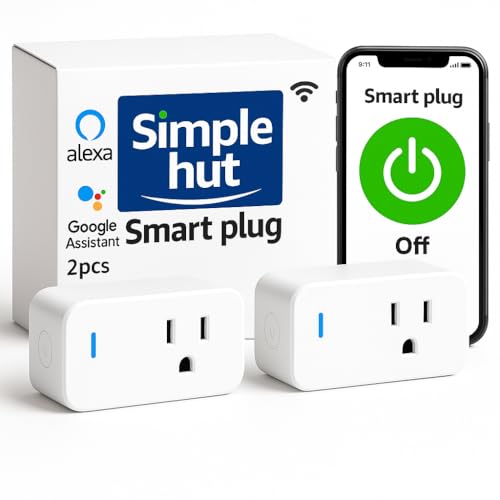
Featured pick
Smart Wi-Fi Plug with Energy Monitoring
A low-friction way to add scheduling, remote control, and energy-use visibility to lamps, small appliances, and everyday devices you already own.
- Real-time energy tracking
- Useful for routines and automation
- Great first smart-home step
How to make sure it actually gets used
Use it first on the device you forget about most often, such as a lamp, coffee maker, fan, or space heater. After a week, check which schedule saves the most effort and keep only those automations that genuinely reduce friction.
Compact Food Vacuum Sealer Machine
This is the best Amazon kitchen find in this roundup if your goal is to save groceries, prep ahead, and keep your freezer from becoming a graveyard of half-used food. Most kitchen gadgets earn attention because they look clever. This one earns its keep because it supports habits many households already have: bulk buying, leftovers, freezer storage, and weekly meal prep.
Kitchen products become drawer clutter faster than almost anything else, so this category has to justify itself. A vacuum sealer does that when your household already buys in bulk, preps proteins in batches, freezes leftovers, or tries to stretch groceries further through the week. It supports behavior that already exists instead of asking you to invent a new one.
That practical angle is what separates it from novelty kitchen gadgets. It is not exciting because it is flashy. It is exciting because it can make your freezer more organized, your meal prep easier to maintain, and your grocery bill feel less wasteful over time.
Why it stands out
Most kitchen gadgets earn attention because they look clever. This one earns its keep because it supports habits many households already have: bulk buying, leftovers, freezer storage, and weekly meal prep.
Who should buy it
Choose this if you can already picture exactly where it fits in your routine. That is the strongest buying signal for this category, because everyday products succeed when they have an obvious “first job” instead of a vague promise.
Who should skip it
Skip it if you rarely cook at home, almost never freeze food, or do not have the counter or cabinet space for even a compact single-purpose tool.

Featured pick
Compact Food Vacuum Sealer Machine
A practical kitchen buy for batch cooking, freezer organization, and reducing waste when you buy proteins, produce, or pantry staples in larger quantities.
- Helps reduce food waste
- Works well for meal prep
- Compact for smaller kitchens
How to make sure it actually gets used
Keep sealing bags and rolls where you can reach them quickly, wipe the sealing area after each use, and make it part of your Sunday prep routine. The easier it is to grab, the more likely it is to stay in circulation.
Rechargeable Motion Sensor LED Lights
This is the best Amazon home organization find for renters, parents, and anyone dealing with small daily annoyances caused by dark storage zones and walkways. This is the kind of product that feels minor until you use it every day. Better lighting changes how a space works, especially in closets, pantries, stair landings, and cabinets that are functional but poorly lit.
This is one of the strongest examples of a small purchase producing an outsized quality-of-life improvement. Dark cabinets, pantry corners, hallway turns, and closet shelves are low-level annoyances that people adapt to, but they never stop being inconvenient. Motion-sensor lighting fixes that without turning the solution into a project.
It is also one of the most renter-friendly ideas in this list because installation does not depend on permanent changes. If your home is functional but not perfectly designed, this kind of flexible lighting often feels smarter than a bigger, more expensive fix.
Why it stands out
This is the kind of product that feels minor until you use it every day. Better lighting changes how a space works, especially in closets, pantries, stair landings, and cabinets that are functional but poorly lit.
Who should buy it
Choose this if you can already picture exactly where it fits in your routine. That is the strongest buying signal for this category, because everyday products succeed when they have an obvious “first job” instead of a vague promise.
Who should skip it
Skip it if your home already has strong built-in lighting exactly where you need it, or if you know you will not stay on top of occasional recharging.

Featured pick
Rechargeable Motion Sensor LED Lights
A renter-friendly lighting upgrade for dark closets, cabinets, hallways, stair edges, and entry points where hardwiring is unrealistic or unnecessary.
- No hardwiring required
- Motion-activated convenience
- Useful for renters and families
How to make sure it actually gets used
Install lights in the exact places where your hand searches in the dark: a hallway turn, closet shelf, pantry, under-cabinet edge, or staircase wall. Recharge them on a regular household rhythm instead of waiting for them to go dead.
Cordless Handheld Vacuum Cleaner
This is the best Amazon cleaning find here if you want a product that shortens cleanup time between deeper cleaning sessions. The main value is not replacing your main vacuum. It is making small messes easy enough to handle immediately, which keeps them from accumulating into bigger chores.
The most important mindset shift here is to stop comparing a handheld vacuum to a full-size machine. That comparison misses the point. The real value is speed. A full vacuum session asks for time, setup, and commitment. A handheld cleaner asks for a minute or two, which means you are much more likely to deal with crumbs, car grit, or pet hair right away.
That difference matters in busy homes. Small messes compound when they are easy to ignore, and this category reduces the threshold for taking action. It works best when you see it as a friction-reducer between deeper cleans rather than a total replacement for your main vacuum.
Why it stands out
The main value is not replacing your main vacuum. It is making small messes easy enough to handle immediately, which keeps them from accumulating into bigger chores.
Who should buy it
Choose this if you can already picture exactly where it fits in your routine. That is the strongest buying signal for this category, because everyday products succeed when they have an obvious “first job” instead of a vague promise.
Who should skip it
Skip it if you already own a lightweight stick vacuum that handles spot messes well, or if you expect handheld size to do the work of a full-size machine.
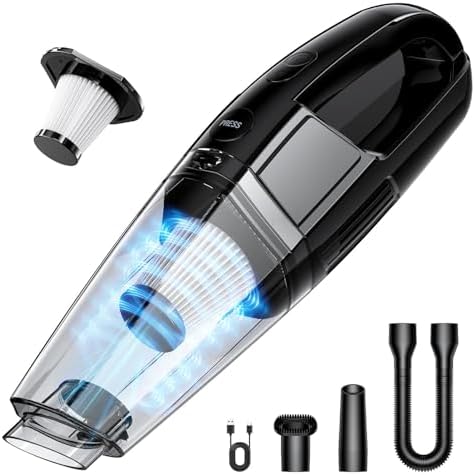
Featured pick
Cordless Handheld Vacuum Cleaner
A grab-and-go cleaning tool for crumbs, car interiors, upholstery, pet hair, and the quick messes that are too small for a full vacuum session.
- Fast for spot cleaning
- Useful in cars and upholstery
- Helps with pet-hair messes
How to make sure it actually gets used
Store it in the exact place where messes start: near the kitchen, mudroom, or garage entrance. Empty the bin often, clean the filter on schedule, and treat it like a daily reset tool rather than a whole-house cleaner.
Adjustable Ergonomic Laptop Stand
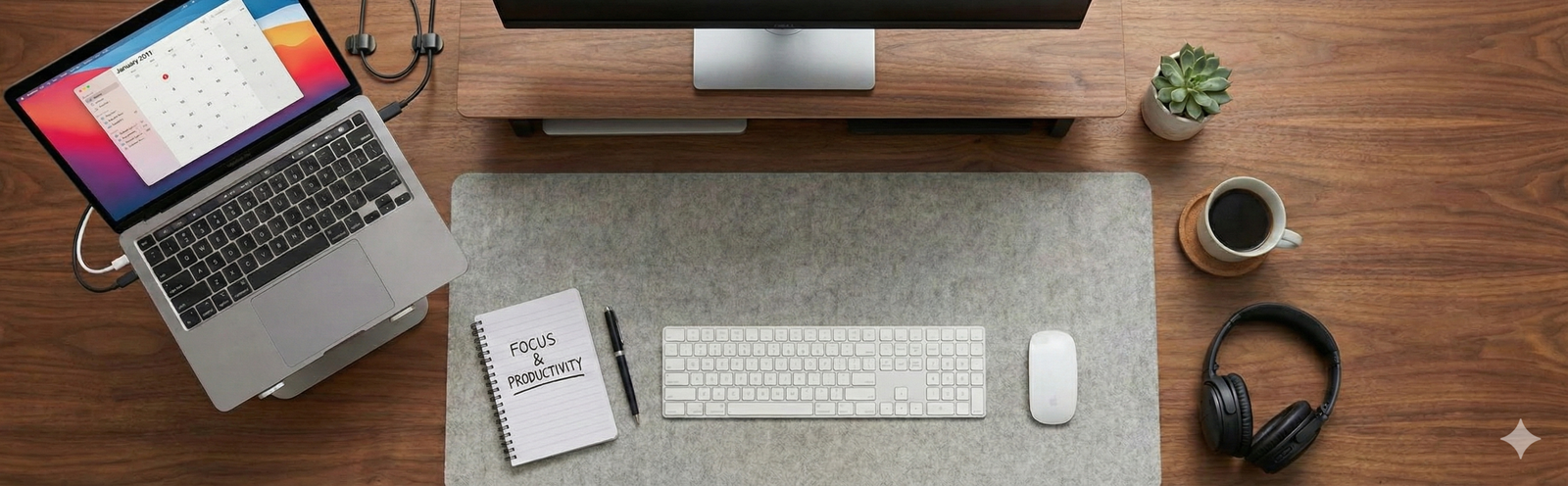
This is the best Amazon office and tech find in this list for remote workers, students, and anyone who spends long stretches hunched over a laptop. Unlike trend-driven desk accessories, a laptop stand affects comfort every time you sit down. It supports better posture, helps organize your setup, and can make a basic desk feel more intentional.
Desk accessories are another category where people regularly overspend on aesthetics and underspend on comfort. A good laptop stand is not glamorous, but it can improve how your neck, shoulders, and workspace feel every single day. In other words, it produces a repeat benefit instead of a decorative one.
This pick also makes sense as part of a broader productivity setup. If you are building a workstation instead of just buying one item, the site’s guide to desk organization ideas that improve focus is a smart next read because it extends the same “practical over trendy” philosophy.
Why it stands out
Unlike trend-driven desk accessories, a laptop stand affects comfort every time you sit down. It supports better posture, helps organize your setup, and can make a basic desk feel more intentional.
Who should buy it
Choose this if you can already picture exactly where it fits in your routine. That is the strongest buying signal for this category, because everyday products succeed when they have an obvious “first job” instead of a vague promise.
Who should skip it
Skip it if you already work on a monitor at eye level or if your setup changes constantly and you need something ultra-minimal and packable.
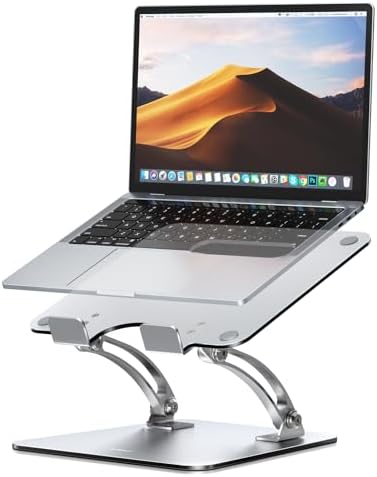
Featured pick
Adjustable Ergonomic Laptop Stand
A straightforward desk upgrade that raises screen height, improves posture, and makes long work or study sessions feel less punishing.
- Improves screen height and posture
- Adjustable for work or study
- Fits remote-work setups well
How to make sure it actually gets used
Pair it with a realistic workstation habit: raise the screen, lower the shoulders, and keep your wrists comfortable. If you want to take the setup further, build around it with the ideas in the site’s desk organization guide.
Scenario-based recommendations
Not every shopper needs the same “best” product. The right pick depends on the bottleneck in your day. This is where a broad roundup becomes more useful: instead of forcing one winner, it helps you choose based on the friction you want to remove first.
- If you want a low-cost first win: start with the smart plug or the motion-sensor lights. Both are easy to understand, easy to install, and easy to appreciate quickly.
- If your kitchen wastes money through leftovers and freezer chaos: start with the vacuum sealer.
- If your house always has crumbs, pet hair, or car mess: the handheld vacuum solves a problem you can see immediately.
- If your body feels the cost of long laptop sessions: the ergonomic stand is the best quality-of-life upgrade in the lineup.
- If you are shopping for a gift: think first about the recipient’s routine, not the trend. That is also where guides like Amazon finds that look expensive and premium-feeling affordable products can help you choose something that feels polished without becoming pointless.
Who should skip this roundup
This page is for shoppers who want practical, mixed-category upgrades. It is not the best fit for every searcher.
- Skip this roundup if you only want a strict price-capped list. In that case, go straight to Amazon finds under $50 that are actually worth it.
- Skip it if you are shopping only for one category, like kitchen appliances or desk setup. A focused buying guide will usually serve you better than a mixed roundup.
- Skip it if you prefer decorative or novelty products over utility-first purchases. This article is intentionally biased toward useful, repeatable wins.
- Skip it if you already know your biggest problem category. The best buying decision is often to go deeper into one solved problem instead of buying across categories all at once.
Common mistakes people make with Amazon finds
The fastest way to waste money on Amazon is to confuse “interesting” with “useful.” That mistake shows up in predictable ways, and avoiding them is often worth more than any single recommendation.
Mistake 1: buying categories instead of solving a single problem
People often buy three or four small products at once because they all seem reasonable. But mixed small purchases add up fast, and most households only have one or two genuine friction points that need fixing now. Start with the problem you feel weekly, not the category that sounds fun.
Mistake 2: ignoring setup friction
Even a good product can fail if it asks too much of you early. That is why easy wins matter so much. A renter-friendly light, a plug you can configure in minutes, or a handheld vacuum that lives in reach has a better chance of becoming useful than a bigger purchase that always feels like a future project.
Mistake 3: expecting one product to replace an entire system
A handheld vacuum will not replace deep cleaning. A laptop stand will not fix a terrible chair, desk, and screen setup by itself. A vacuum sealer will not create meal-prep discipline from nothing. The product should support a routine, not magically invent it.
Mistake 4: shopping with the wrong decision lens
If your priority is value, use value criteria. If your priority is visual polish or gifting, use that lens instead. That is why the related internal guides matter: problem-solving finds, under-$50 buys, and premium-looking finds should not all be treated as the same search intent.
Mistake 5: forgetting the “first week test”
Before you buy, ask one question: where will this live and when will I use it in the first seven days? If you cannot answer that quickly, the product probably does not belong in your cart yet.
Routine and maintenance: the hidden difference between a good buy and drawer clutter
A lot of products fail not because they are bad, but because they disappear from sight, run out of charge, get buried behind other items, or require a tiny bit of upkeep that people never plan for. If you want these picks to stay valuable, treat maintenance as part of the buying decision.
- Smart plug: keep only the automations that clearly save time or effort. Too many schedules create confusion.
- Vacuum sealer: store bags and rolls next to the machine so the habit stays easy.
- Motion-sensor lights: recharge on a predictable cycle instead of waiting for the lights to fail at the worst time.
- Handheld vacuum: empty and clean it regularly, because a neglected quick-clean tool becomes less useful exactly when you need speed.
- Laptop stand: adjust it once for a repeatable posture instead of constantly improvising around it.
That same maintenance-first mindset is helpful in adjacent categories too. If you are thinking about larger kitchen purchases, the site’s guide on Amazon products to buy before prices rise is useful for separating “buy now” categories from purchases you can leave for later without losing much value.
Buying guide: how to choose the right Amazon find for your life
The simplest buying rule is this: choose the product that solves the most repeated annoyance in your home, not the one with the most exciting product page. To make that easier, work through these questions in order:
- What problem happens at least three times per week? Start there.
- Would you notice the benefit in under a week? If not, it may be the wrong first purchase.
- Does the product fit your space? Small homes punish bulky one-use tools.
- Is it supporting a routine you already have? Products that fit an existing habit are much more likely to stay useful.
- Could a more focused guide help you choose better? If yes, go narrower before you buy broader.
That last point matters more than it seems. Broad commercial pages can be useful as a starting point, but the final buying decision often comes from a more specific guide. That is why the internal links in this article are not filler. They help you move from inspiration to a sharper buying decision.
FAQ
Are Amazon finds still worth buying in 2026, or are most of them gimmicks?
They are worth buying when the product removes a recurring friction point and fits an existing habit. They turn into gimmicks when the product is interesting but not necessary, or when the setup effort outweighs the payoff.
What makes an Amazon find “actually useful”?
Usefulness usually comes down to repeat value. A strong pick saves time, saves money, improves comfort, or reduces effort often enough that you notice the benefit weekly. That is the difference between a practical buy and a novelty purchase.
Which product in this roundup is the best first purchase?
For many people, the safest first purchase is the smart plug or the motion-sensor lights because they are approachable, relatively low-friction, and easy to appreciate quickly. If food waste is your biggest pain point, the vacuum sealer is the better first move. If physical discomfort is the issue, the laptop stand has the clearest quality-of-life payoff.
Are these Amazon finds good for renters?
Yes, especially the motion-sensor lights and the smart plug. Both improve daily life without requiring major installation, drilling, or permanent changes. The laptop stand is also renter-friendly because it upgrades your setup without changing the room itself.
How do I avoid buying low-quality Amazon products?
Start by matching the product to a specific, repeated use case. Then avoid vague claims, check whether the setup feels realistic for your household, and compare the product against what you already own. If you are shopping on a tight budget, use the site’s guide to choosing Amazon finds under $50 that are actually worth it so you do not confuse “cheap” with “good value.”
Do these products make good gifts?
They can, but only when you know the recipient’s routine. The best gifts are the ones that feel immediately useful. For example, the laptop stand works well for students and remote workers, while the motion-sensor lights make sense for renters or people dealing with dark storage spaces. If presentation matters as much as practicality, the articles on expensive-looking finds and premium-feeling budget products are better gift-oriented companions.
Should I buy multiple Amazon finds at once?
Usually no. Start with the one product tied to the most repeated annoyance in your week. Once that proves its value, it becomes easier to judge whether you need a second or third purchase. Buying too many “smart” products at once is one of the fastest ways to create clutter instead of improvement.
What is the biggest reason broad “best Amazon finds” pages fail?
They become too broad, too repetitive, and too generic. A strong roundup needs a clear selection framework, tighter differentiation, and enough depth to help a reader decide—not just browse. That is why this page is deliberately narrower and more routine-driven than a typical trend roundup.
Final verdict
The best Amazon finds for 2026 are not the products with the loudest packaging or the most viral momentum. They are the ones that keep showing up in real routines: better control over daily electricity use, better food storage, better lighting in awkward spaces, faster spot cleaning, and better comfort while working. That is what gives this shortlist lasting value.
If you only buy one thing from this list, buy the item tied to the friction you already notice most. That is the cleanest path to a purchase that still feels smart a month from now.
Amazon disclosure
Buyers Choice Lab participates in affiliate programs, including Amazon Associates. That means this page may earn a commission from qualifying purchases at no extra cost to the reader. Recommendations should still be evaluated against your own routine, space, and priorities before you buy.