Finding Amazon products under $50 that are actually worth buying is harder than it sounds. Cheap is easy. Useful is harder. The low-price zone is full of novelty items, overpromising gadgets, and “great deal” purchases that solve no real problem once they land on your counter, desk, or junk drawer.
This page takes a different angle. Instead of chasing random trending products, it focuses on the kind of under-$50 Amazon finds that tend to earn repeat use: small upgrades that remove friction, improve comfort, reduce clutter, or make an everyday routine easier. That distinction matters. A product does not become “worth it” because it is popular, giftable, or aggressively discounted. It becomes worth it when you still use it after the excitement wears off.
If you want a broader browse of site-wide picks, start with Best Amazon Finds to Start 2026. If your priority is solving small daily annoyances, Amazon Finds That Solve Everyday Problems is the better companion read. And if you care more about elevated look than pure utility, see Amazon Finds That Feel Expensive (But Aren’t) and the Affordable Products with a Premium Feel guide.
Quick answer
The best Amazon finds under $50 are usually the boring winners: products that fix a recurring annoyance, require almost no learning curve, and fit naturally into a routine you already have.
- Best for renters and small spaces: motion-sensor lights and cable-control basics
- Best for work and study: an ergonomic laptop stand and a smart plug that automates simple routines
- Best for cooking accuracy and portioning: a compact digital kitchen scale
- Worst bets: trendy clutter, one-task gadgets, and products that look exciting but add maintenance
Why most Amazon finds under $50 fail in real life
The under-$50 category is popular for a reason. The commitment feels small. The purchase feels reversible. The product page often promises a quick quality-of-life boost without the stress of a larger purchase. But that exact convenience also makes this range vulnerable to bad decisions.
Most disappointing low-cost buys share the same pattern: they create a burst of optimism up front and very little lasting value after that. A trending gadget gets attention because it looks clever in a photo, not because it survives daily use. A storage “solution” arrives before the buyer has figured out what problem they are actually trying to organize. A lifestyle accessory feels smart in theory but adds one more thing to clean, charge, refill, or store.
That is why thin roundup pages often underperform. They treat all cheap products as equal and turn “worth it” into a synonym for “available right now.” That is not how shoppers actually judge success. What matters is whether the purchase reduces friction in a way you notice repeatedly.
In practical terms, most weak under-$50 finds fail for one of six reasons:
- They solve a fake problem. The product is novel, but the inconvenience it addresses was never meaningful enough to justify owning something new.
- They demand too much setup. If a “simple” item needs calibration, app frustration, daily charging, or awkward installation, the low price will not save it.
- They duplicate something you already do well enough. Convenience only counts when it meaningfully improves the task.
- They do one thing, once. One-use gadgets are where the junk-drawer economy thrives.
- They create visual or physical clutter. An item can be inexpensive and still cost space, attention, and maintenance.
- They rely on hype instead of routine. Products are most durable when they fit habits you already have, not habits you hope to invent later.
If you keep those failure patterns in mind, your hit rate improves fast. This is also why supportive reading matters. Before you browse more deal-style content, it helps to read How to Choose Amazon Finds Under $50 That Are Actually Worth It and Smart Buying Tips for Amazon Shoppers. Those pages reinforce the same idea: the best “find” is usually the one that keeps proving itself after the purchase, not the one that feels most exciting before it.
A better framework: the Worth-It Filter
When shoppers search for the best Amazon finds under $50, they often want a list. What they actually need is a filter. A list only helps if it is built on a repeatable standard. So here is the standard that makes this page useful: every product should pass a simple four-part test.
This filter is especially helpful in the sub-$50 range because a shopper can be wrong several times before the total looks “expensive.” That is how clutter accumulates. Five mediocre low-cost buys can quietly become one meaningful mid-ticket purchase you would have enjoyed more.
Another way to think about it is this: under $50 is not the budget for buying identity. It is the budget for buying friction reduction. Products that improve lighting, posture, cable mess, routine automation, or measurement accuracy usually outperform decorative impulse buys because the benefit shows up over and over again.
That is also why category matters. Some categories tend to work well at this budget, while others routinely disappoint. Basic organization, lighting, desk ergonomics, and simple kitchen accuracy tools often do well because the job is clear. Categories that depend on premium materials, high power, deep software reliability, or long-term durability tend to be more compromised at the low end.
So when you hear “best Amazon finds under $50,” do not think “most exciting things available for less than fifty bucks.” Think “small purchases with the highest chance of becoming automatic parts of my daily life.” That one mental shift dramatically improves the quality of your shortlist.
The verified shortlist from the attached page materials
The current page materials verify five specific product picks already used on this URL. Instead of replacing them with unsupported items, the smarter recovery is to keep the page focused, improve the decision logic, and explain where each product actually makes sense.
Notice what all five picks have in common: none of them are meant to impress anyone. They are quiet utility buys. That is exactly what makes them stronger candidates for a “worth it” page. They are less about trend-chasing and more about removing small, repeated annoyances.
Best under-$50 Amazon finds for small apartments, renters, and shared spaces
Small spaces magnify friction. A dark pantry is more annoying when the rest of the apartment is compact. Cable mess looks worse when your living room and office are basically the same room. This is where low-cost practical products often outperform flashier upgrades, because they solve very visible issues without demanding major installation or renovation.
That is why lighting and cable control are often two of the best first buys in this price range. They do not ask for a lifestyle change. They simply make the space easier to live in. If you are also building a more functional home setup, the kitchen-specific companion piece here is Best Kitchen Gadgets for Small Apartments, which is more targeted than a general-purpose roundup.
1) For dark corners and zero-wiring upgrades: motion-sensor lights
Lighting is one of the cleanest examples of a high-ROI under-$50 purchase. When a hallway, closet, stair edge, pantry shelf, or bathroom path is dim, the problem repeats every day. You do not need a glamorous solution. You need light exactly where the problem happens. That is why a rechargeable motion-sensor option is often better than overthinking a full lighting project.
For renters, the appeal is obvious: no electrician, no commitment, and no major installation burden. For parents, late-night movement is easier and safer. For smaller apartments, the value is not aesthetic drama; it is immediate function. The product starts earning its place the first time you stop fumbling in the dark.
This category is especially strong when you can point to a specific pain point before buying: a dark closet, a pantry shelf that disappears at night, a stair edge that never feels fully safe, or a hallway that is fine during the day and irritating after sunset. If you cannot name the exact problem location, you may just be buying a gadget because it looks handy.
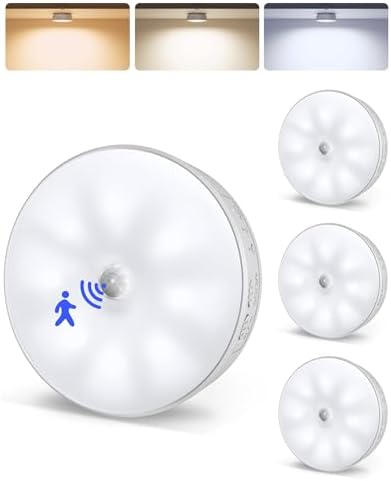
Rechargeable Motion Sensor LED Lights
A simple, context-appropriate pick for dark closets, hallways, stairs, and nighttime paths where permanent wiring is not worth the hassle.
- Best when the problem is a specific dark spot, not general room lighting
- Strong fit for renters, parents, and small-apartment layouts
- Low-friction upgrade that earns value through repeated daily use
2) For visual calm and safer setups: a cable organizer box
Cable clutter is a perfect example of a low-grade annoyance that drains a space every single day. The mess usually builds around a power strip, modem, speaker setup, monitor station, or TV stand. It is not dramatic enough to justify a renovation, but it is ugly enough to keep catching your eye. That is exactly the kind of problem a good under-$50 buy should address.
A cable management box works best when your issue is visible concentration of mess rather than a few loose cords. If the area already feels chaotic, hiding the central tangle can clean up the space faster than trying to perfect every cable path. It is also useful in homes with pets or children, where reducing exposure matters as much as aesthetics.
Where people go wrong is expecting a cable box to fix a fundamentally messy setup by itself. It helps most when paired with a little discipline: remove dead chargers, separate the always-plugged-in items from the occasional ones, and stop treating spare cables like permanent decor.

Cable Management Organizer Box
A practical decluttering buy for desks, living rooms, and entertainment centers where exposed power strips keep making the space look unfinished.
- Most useful when cords gather in one visible zone
- Helps shared spaces feel calmer with minimal setup effort
- Works better as part of a quick cleanup than as a magic fix for total chaos
Best under-$50 Amazon finds for work, study, and daily routines
The work-from-home and hybrid-study category is full of low-cost products that look useful but only a few really stick. The strongest picks are the ones that reduce physical strain or remove repetitive mental effort. That is why posture and automation tend to outperform desktop gimmicks.
If you want to go deeper on desk or kitchen crossover utility, the related comparison page Quick Comparison: Best Kitchen Gadgets on Amazon is useful for side-by-side thinking, while broader organization and utility themes connect well with Amazon Finds That Solve Everyday Problems.
3) For screen height and all-day comfort: an ergonomic laptop stand
A laptop stand is not exciting, and that is exactly why it is easy to underestimate. But if you work, study, apply for jobs, edit documents, or attend video calls from a laptop, the angle of that screen affects you more than most under-$50 purchases ever will. People often spend far more on aesthetic desk upgrades before solving the basic problem of looking down for hours at a time.
The appeal here is not “perfect ergonomics” in some abstract sense. It is straightforward: you are trying to make your default posture less punishing. A good stand also tends to improve airflow and create a cleaner visual line on the desk, which makes the work area feel more intentional. That matters more than it sounds, because people stick with setups that feel easy to return to.
This is a stronger buy for anyone who already uses a laptop as their main screen for a significant part of the week. It is weaker for shoppers who mostly work from a monitor, use the laptop casually from the couch, or want a desk purchase to somehow fix every discomfort in the room. A stand helps most when it is paired with realistic expectations and a routine that actually uses it.
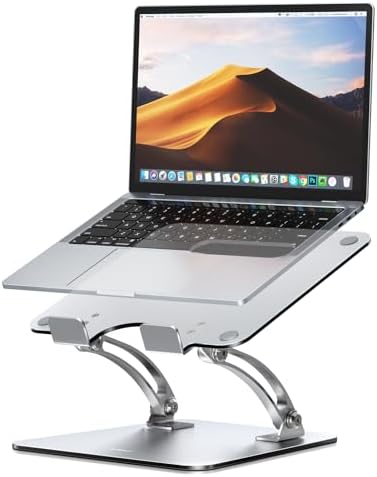
Adjustable Ergonomic Laptop Stand
A sensible desk upgrade for shoppers who spend real time on a laptop and want a cleaner, more comfortable default position.
- Most valuable for remote work, study sessions, and hybrid desks
- Helps posture comfort more than many flashier desk accessories
- Best when you will actually keep it in your everyday setup
4) For simple automation without a full smart-home commitment: a Wi-Fi plug
Smart-home shopping gets expensive very quickly when beginners start with whole systems instead of small habits. A smart plug is often a better entry point because it lets you test whether you actually enjoy automation before you spend more money on it.
The real value is not novelty. It is routine consistency. If there is a lamp you always forget to turn off, a light you want scheduled, or a daily action you would rather automate than think about, a plug can earn its place. That is the key: it should remove a repeated decision, not create a new hobby.
Where people misjudge this category is by buying it for a vague future version of themselves. If you do not already have one or two obvious use cases in mind, the plug may become one more app-connected object that you stop caring about after setup. But if you know exactly what you want automated, the value can be immediate and surprisingly sticky.

Smart Wi-Fi Plug with App Control
A beginner-friendly automation buy for lamps and predictable daily routines, especially when you want convenience without building a full smart-home stack.
- Best when you can name the routine you want automated right now
- Useful for simple energy, timing, and convenience habits
- Not ideal for shoppers who dislike app setup or connected-home maintenance
Best under-$50 Amazon finds for cooking, meal prep, and repeatable results
The kitchen is one of the best places to spend under $50 when your goal is repeatable usefulness rather than entertainment. The strongest kitchen buys do not try to be magical. They make the same tasks more predictable, cleaner, or faster. That is why measuring tools often outperform novelty gadgets.
For broader category browsing, the most relevant internal companions are Best Kitchen Gadgets for Small Apartments and Quick Comparison: Best Kitchen Gadgets on Amazon. Those pages help if your goal is category discovery. This page stays narrower: only the kitchen picks that clear the “worth it under $50” threshold.
5) For better repeatability in cooking and portioning: a digital kitchen scale
A kitchen scale is rarely the first thing casual shoppers get excited about, but it is one of the cleanest examples of a low-cost tool that can permanently improve outcomes. In baking, measurement consistency matters. In meal prep, portion accuracy matters. In nutrition tracking, estimation drifts faster than people think.
That is why a simple digital scale often beats more elaborate kitchen gadgets in long-term value. It makes your process more repeatable without demanding a bigger kitchen, a more advanced skill set, or a special occasion. It is not limited to one recipe or trend. It quietly supports everything from weekday meal prep to occasional baking projects.
The best reason to buy this category is not perfectionism. It is reduction of guesswork. If you already notice that “roughly this much” gives inconsistent results, a scale is an easy upgrade. If you cook mostly by instinct, have zero interest in portioning, and do not care about repeatability, then this is less essential. The product is strong because the job is clear, not because everyone needs it.

Digital Kitchen Scale with LCD Display
A compact utility buy for bakers, meal preppers, and home cooks who want less guesswork and more consistency.
- Strong fit for baking, portioning, and repeatable meal prep
- Useful because it supports many kitchen tasks rather than one novelty use
- Easy to justify when measurement inconsistency already annoys you
Who should skip generic “Amazon finds under $50” shopping
Not everyone should be buying in this category right now, even if the price looks harmless. Sometimes the smartest move is not finding a better under-$50 item. It is recognizing that you are shopping for the wrong reason.
You should be cautious with this category if any of the following sound familiar:
- You are boredom browsing. Cheap impulse buys are easiest to justify when you are not actually solving a real problem.
- You have unresolved clutter already. Adding more objects before clearing out the obvious losers usually makes the space feel worse, not better.
- You want one product to reset your whole routine. Under-$50 items are best at friction reduction, not life reinvention.
- You are shopping to feel productive. That often leads to organizational purchases that organize nothing.
- You are trying to buy “premium” performance at an unrealistic budget. Some categories simply do not scale down gracefully.
In those cases, a supportive internal read may be more useful than another product page. Smart Buying Tips for Amazon Shoppers is especially relevant when you need to slow down and refine the reason behind the purchase before adding another item to the cart.
Common mistakes shoppers make in this price range
If this page is going to do real rescue work, it cannot just hand you products. It also has to help you avoid the patterns that make these pages thin and forgettable in the first place. The most common mistakes are not about picking a “bad” item in the abstract. They are about mismatching the product to the buyer’s real situation.
Mistake 1: Buying the category instead of the use case
People search “best Amazon finds under $50” as though the phrase itself is a category. It is not. It is a budget filter. The real category is lighting, work comfort, cable management, cooking precision, or automation. Once you identify the job, the shortlist gets much better.
Mistake 2: Mistaking low risk for no risk
Low cost can still create waste. A $20 item that becomes clutter is not a win just because it was affordable. The real risk is not always financial. It is visual, spatial, and mental. Cheap mistakes accumulate quietly.
Mistake 3: Confusing trend value with daily value
Trending and worth it are not synonyms. Trend-driven pages can be useful for discovery, but they often overrepresent novelty. A product becomes stronger when its benefit repeats on ordinary Tuesdays, not just when it photographs well on launch week.
Mistake 4: Ignoring setup friction
Shoppers tend to price the item and forget to price the effort. How long does setup take? Does the product depend on charging, assembly, an app, or a permanent place to live? Any hidden effort reduces the practical value of a low-cost buy.
Mistake 5: Overvaluing “all-in-one” language
Under-$50 product pages love broad promises. But buyers usually get better outcomes from products with one clear job than products that claim to replace half a category. Simplicity often wins here.
Mistake 6: Skipping the internal comparison step
Buyers Choice Lab already has adjacent pages that clarify intent. If you want problem-solving utility, use Amazon Finds That Solve Everyday Problems. If you want style-forward picks, use Amazon Finds That Feel Expensive. If you want broader browsing, use Best Amazon Finds to Start 2026. Starting on the right page improves the buying decision before you click anything.
Scenario-based recommendations: what to buy first based on your real situation
One reason generic roundup pages feel weak is that they assume every shopper is equally ready for every product. That is rarely true. Scenario-based buying is better because it matches the product to the context that lets it succeed.
If you are a renter trying to make a place feel more functional
Start with motion-sensor lights if the biggest pain point is bad lighting in a specific location. Start with the cable organizer box if the apartment feels visually noisy because your tech setup is always visible. Both are strong because they solve immediate environmental friction without requiring permanent changes.
If you work or study from a laptop most days
Start with the ergonomic laptop stand. It has a clearer long-term payoff than decorative desk accessories because it affects comfort every time you sit down. Add the smart plug second if you already know the routine you want to automate, such as lamps or scheduled on/off behavior.
If your kitchen feels inconsistent more than inconvenient
Start with the digital kitchen scale. It tends to beat trend-based gadgets because it improves results across many tasks instead of one flashy use case. This is the kind of product that becomes more valuable the more often you cook.
If you want a practical gift under $50
Think in terms of obvious life context, not abstract coolness. Motion-sensor lights work well for new apartments, parents, or older hallways. A laptop stand suits students and remote workers. A kitchen scale makes sense for the person who already cooks or meal preps. Gifts are strongest when the use case is visible and believable.
If you are trying to stop wasting money on cheap clutter
Do not start with any product. Start with the Worth-It Filter, then compare your goal to the closest internal category page: broader utility, premium feel, kitchen specificity, or problem-solving. Most bad buys happen before the cart, not inside it.
How to shop smarter in this price range
The current page materials already hint at a sensible buying standard: focus on practical daily use, clear product information, and simple setup. That is the right direction. To make it more actionable, use this buying checklist before you purchase any low-cost Amazon find:
- Name the recurring annoyance. If you cannot define the repeated problem, stop.
- Place the product in a room and routine. “Desk,” “hallway,” “pantry,” or “meal prep Sunday” is better than “seems useful.”
- Check whether it replaces friction or adds a process. Under-$50 winners simplify. Losers add steps.
- Decide what would make you stop using it. Charging? cleaning? storage? app frustration? If the failure point is obvious, take it seriously.
- Make sure the item earns space. This matters even more in apartments, dorms, and shared homes.
That is also where internal content can do real work. The page How to Choose Amazon Finds Under $50 That Are Actually Worth It is the best follow-up if you want a more explicit selection mindset. The guide Affordable Products with a Premium Feel is useful when your goal is a better-looking environment rather than pure problem-solving. And Amazon Finds That Feel Expensive helps when you want style-conscious picks without drifting into obvious gimmicks.
The important thing is that those pages should work together, not cannibalize each other. This page should own the clearest version of the “under $50 but still worth it” intent by staying ruthlessly practical: everyday usefulness, low regret, and clear context for each pick.
A realistic maintenance rule for low-cost products
One overlooked reason inexpensive products fail is that buyers assume cheap means maintenance-free. That is rarely true. A product can still be easy to own without being invisible. The better rule is this: under-$50 items stay useful when the upkeep is lighter than the annoyance they remove.
For motion-sensor lights, that means recharging them before they become irritating. For a cable organizer, it means not treating the box like a storage graveyard for dead cords. For a laptop stand, it means leaving it where you actually work. For a smart plug, it means using it for one or two routines instead of constantly reconfiguring it. For a kitchen scale, it means keeping it accessible enough to use without friction.
That may sound obvious, but it is the difference between “useful purchase” and “something I technically own.” Good products support behavior. Great low-cost products do it with so little friction that you barely think about them.
FAQ: Amazon finds under $50 that are actually worth it
Are Amazon finds under $50 usually good quality?
Some are, many are not. Quality in this price range depends less on category hype and more on how realistic the product’s job is. Simple, practical products often perform better than low-cost versions of categories that normally require premium materials, strong power, or advanced software reliability.
What kinds of under-$50 products are most likely to be worth it?
Products that solve repeated everyday friction tend to do best: lighting for dark spaces, posture support for laptop use, cable control for visible clutter, routine automation for simple lamp schedules, and kitchen tools that improve repeatability. In other words, function-first categories usually outperform novelty.
Do these products make good gifts?
Yes, when the recipient’s context is obvious. Practical gifts under $50 work best when you can clearly picture the routine: a student with a laptop, a renter with dark hallways, a home cook who meal preps, or someone whose desk setup always looks tangled.
Should I prioritize brand familiarity or usefulness?
Usefulness should come first. In the under-$50 range, clear real-world fit matters more than buying a recognizable label for its own sake. A simple product with an obvious job is often a better value than a trendier item with vaguer benefits.
What should I avoid when shopping for Amazon finds under $50?
Avoid one-use gadgets, vague “life-changing” claims, clutter-prone organizational products with no specific home, and purchases driven mostly by boredom. Also be careful with categories that seem cheap up front but require more setup, refills, accessories, or maintenance than expected.
Is it better to buy one useful item or several cheap ones?
Usually one useful item. Multiple low-cost purchases only outperform one stronger buy when each item solves a separate, repeated problem. Otherwise, the total tends to become clutter with shipping boxes.
How do I know if a product will still feel worth it after a month?
Ask whether it fits an existing routine you already repeat, whether setup is minimal, and whether the benefit is noticeable without effort. If the product needs you to become a different person to justify it, it probably will not age well.
What is the best internal follow-up after this page?
That depends on intent. Go to Amazon Finds That Solve Everyday Problems for utility-first picks, Amazon Finds That Feel Expensive for style-led browsing, How to Choose Amazon Finds Under $50 That Are Actually Worth It for selection logic, and Best Amazon Finds to Start 2026 for broader discovery.
Final verdict
Amazon finds under $50 are worth it when they are chosen with restraint. The goal is not to collect inexpensive products. The goal is to buy small tools that remove recurring friction from the way you already live.
From the verified picks attached to this page, the strongest patterns are clear: better light where wiring is inconvenient, better posture where laptop use is constant, better automation where routines are repetitive, better visual order where cables take over, and better measurement where cooking consistency matters. None of those products are exciting for five minutes and then forgotten. They are the kinds of purchases that quietly justify themselves over time.
If that is the standard, this category can be one of the best value zones on Amazon. If that is not the standard, it becomes clutter disguised as savings.
Amazon disclosure: Buyers Choice Lab participates in affiliate programs, including Amazon Associates, and may earn a commission from qualifying purchases made through links on this page at no extra cost to you.
Our editorial approach prioritizes practical use, buyer feedback, specs clarity, price awareness, return policy, and overall category fit before a product is shortlisted.