Some “Amazon finds” are just novelty purchases with good thumbnails. The products below are different. They address repeat annoyances that show up in real homes: cable clutter, drain clogs, junk drawers, wall damage, wasted cabinet space, and fridge odors. That matters because the best low-cost household upgrades are not the ones that feel exciting on day one. They are the ones that quietly remove friction every day after that.
This guide is intentionally built around one clear goal: small Amazon products that solve everyday household problems and actually get used. Instead of trying to be a giant “look at these random finds” roundup, it stays focused on products with a narrow job, low setup friction, and an obvious payoff. That makes the advice more practical for readers who want useful improvements, not just more stuff. It also keeps the recommendations tied to problems most households can recognize immediately.
Quick Answer
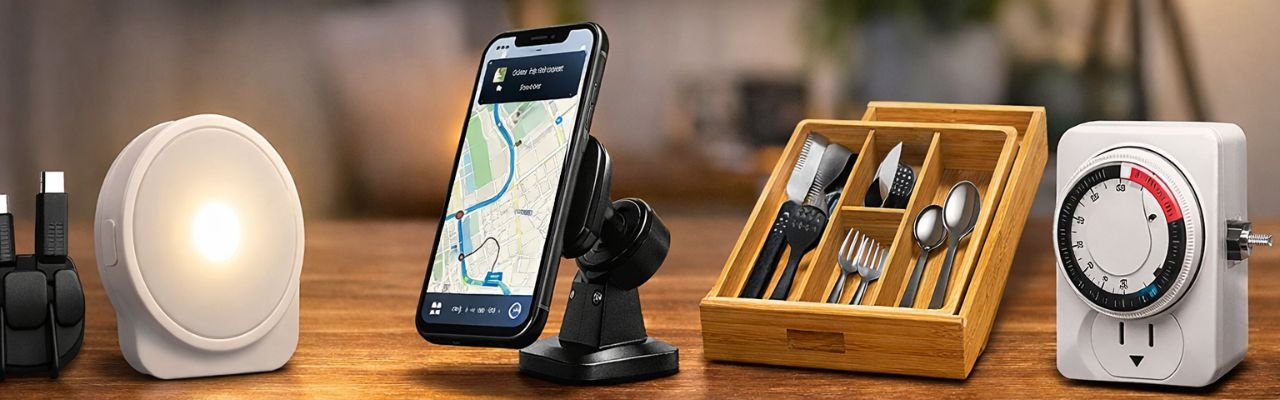
The best simple Amazon products are usually the ones that solve a small but repeated annoyance with almost no learning curve. In this list, the strongest everyday-use picks are a cable organizer box for visible cord chaos, a silicone sink strainer for clogs, an adjustable drawer organizer for messy storage, a wall protector for door damage, an under-sink organizer for dead cabinet space, and a reusable refrigerator deodorizer for lingering smells.
If you only want the short version, start with the product that removes the annoyance you deal with most often. Frequency beats novelty every time.
Why Most “Useful Product” Lists Fail in Real Life
Most broad Amazon roundups fail for one reason: they confuse interesting with useful. A product may look clever in a social video and still become drawer clutter in a week. The pattern is easy to spot. It takes too many steps, solves a problem that rarely happens, needs constant upkeep, or works only in a perfect setup that most homes do not have.
Real-life usefulness is much less glamorous. It usually looks like this: something that saves thirty seconds every day, prevents one recurring mess, helps a small space feel less chaotic, or stops a low-grade household irritation before it turns into a bigger problem. That is why a humble sink strainer can be a better buy than a trend-driven kitchen gadget, and why a wall protector can be more practical than a decorative “home hack” that never gets used after installation.
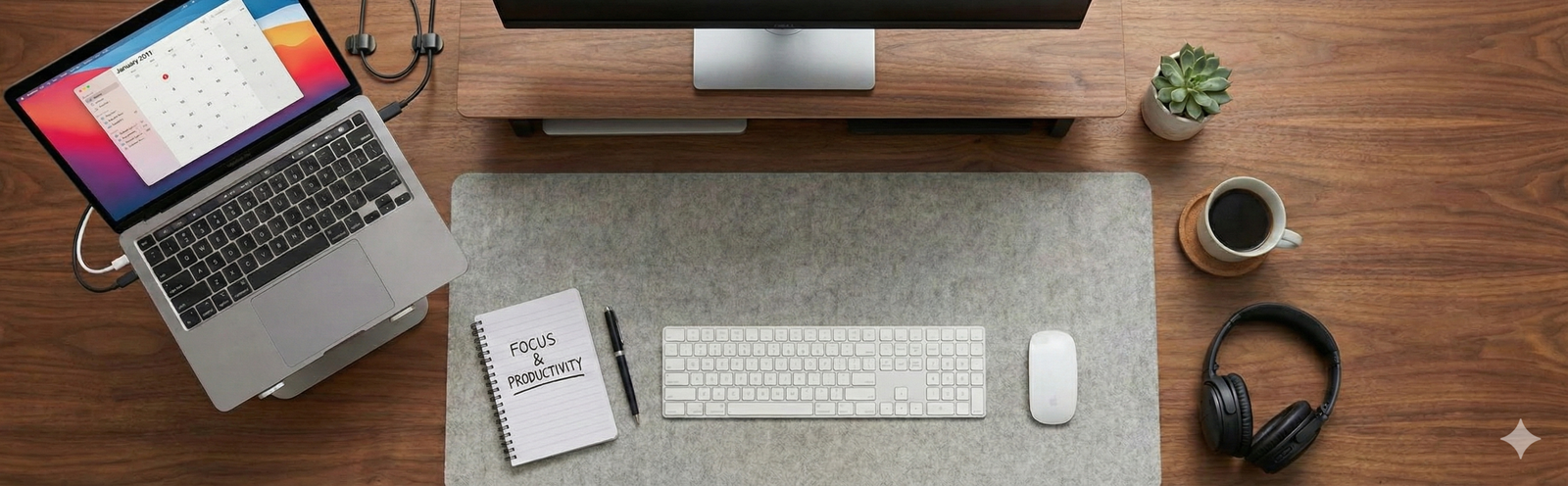
If you already like reading narrower, more practical buying guides, the same logic shows up in our pieces on desk organization ideas that improve focus and how to choose an air fryer for apartments: the best products are not the ones with the loudest marketing. They are the ones that fit how you actually live.
A Better Framework: The Everyday Friction Filter
Before buying any “problem-solving” Amazon product, run it through these four checks:
- Frequency: Does this problem happen every day, every week, or only once in a while?
- Friction: Does the product remove steps, or does it add a new routine you will forget?
- Footprint: Does it save space or use space wisely, especially in apartments, rentals, and smaller kitchens?
- Follow-through: Will you still use it after the first week, when the novelty is gone?
That filter is what separates products that actually make life easier from products that simply give you another thing to store.
Comparison Table: Which Type of Product Solves What?
| Product | Main problem it solves | Best fit | Why it earns a place |
|---|---|---|---|
| Cable organizer box | Visible cable clutter around desks and TVs | Home office, living room, charging station | Immediate visual payoff with almost no habit change |
| Silicone sink drain strainer | Hair and food debris before a clog forms | Kitchen sink, bathroom sink, rental | Prevention is easier than drain cleanup |
| Adjustable drawer organizer | One “junk drawer” turning into five | Kitchen, office, bathroom, RV | Creates zones without remodeling or extra furniture |
| Door handle wall protector | Dents, paint marks, and drywall damage | Bedrooms, hallway corners, rentals | Tiny preventive fix that can save later repairs |
| Under-sink storage organizer | Dead space around plumbing | Small kitchens and bathrooms | Turns awkward cabinets into usable zones |
| Reusable refrigerator deodorizer | Persistent fridge odors | Family homes, shared fridge, meal-prep households | Low-maintenance alternative to repeated baking soda swaps |
Who This Kind of Article Helps Most
This page is most useful for people who want low-cost improvements with a clear job: renters who want fewer repairs, apartment dwellers trying to recover space, busy households that do not have time for complicated storage systems, and anyone who prefers practical gifts or simple household upgrades over decorative clutter.
If that sounds like you, you may also want to browse our more specific roundups on home and kitchen gadgets that earn their place or our breakdown of Amazon finds under $50 that are actually worth it.
1) Cable Organizer Boxes: One of the Fastest Visual Wins at Home
The cable organizer box is a good example of a product that seems almost too simple to matter—until you look at a desk, TV stand, or charging corner that constantly feels messy for no obvious reason. In many homes, it is not the furniture that looks chaotic. It is the tangle of cords, adapters, and power strips sitting underneath or behind it. The clutter collects dust, makes vacuuming annoying, and gives the whole room a “mid-project” look even when everything else is clean.
That is why a cable organizer box works better than many more elaborate cable-management systems. It does not ask you to perfectly reroute every wire. It simply hides the ugliest part of the setup in one contained place. That makes it more realistic for people who want a cleaner look without spending an afternoon labeling cords and attaching clips to every surface. It is also one of the few organization purchases where the benefit is obvious the same day you set it up.
It is especially useful in work-from-home setups, shared charging stations, kids’ homework areas, and entertainment centers where people plug in and unplug devices often. If your workspace still feels visually noisy even after you declutter the desktop, there is a good chance the remaining problem is below eye level. That is one reason our broader article on desk organization that improves focus pairs well with this kind of product.
Who should skip it: anyone with a very minimal setup that uses almost no visible cables, or anyone expecting it to replace full cable planning behind a mounted TV wall. A box hides clutter well, but it will not fix a fundamentally overloaded setup.

Cable Organizer Box (Heat Resistant)
A simple way to hide exposed cords and power strips so your desk, TV area, or charging station looks cleaner and collects less visible dust.
- Hides strip-and-cable clutter
- Useful around kids and pets
- Best when you want a cleaner visual setup
2) Sink Strainers Solve a Problem Before It Turns into a Cleaning Job
A lot of “kitchen hacks” are really just delayed cleanup. A sink strainer is the opposite. It handles the problem at the exact moment it happens. Food scraps in the kitchen and hair in the bathroom are small annoyances right up until water slows down, smells get worse, or someone has to reach into the drain and deal with what should have been stopped earlier. That is why this category earns its place in a useful-products roundup more than many higher-priced gadgets do.
The appeal of a silicone version is simple: it is flexible, easy to rinse, and designed to trap debris without turning the drain into a standing-water problem. In daily life, balance matters more than clever marketing. People stop using strainers that are hard to clean, awkward to fit, or annoying to remove. But when a strainer is easy enough to shake out while you are already at the sink, it becomes part of the routine instead of a separate task.
This is also one of the best examples of a cheap product outperforming expensive fixes. You do not need to wait until a sink becomes a plumbing problem. You just need a product that lowers the chances of repeated buildup. For renters, that matters even more, because simple prevention is usually better than explaining avoidable clogs later.
Who should skip it: households with integrated sink systems that already catch debris effectively, or anyone who knows they will not clean a strainer regularly. A low-maintenance product still needs basic follow-through.
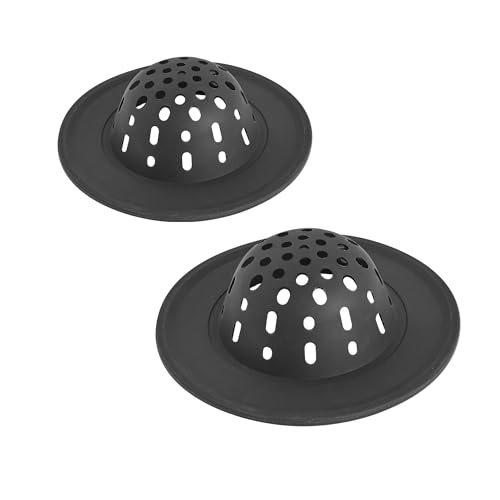
Silicone Sink Drain Strainer
A flexible drain cover that catches hair or food scraps while keeping water moving, which is exactly what most cheap strainers fail to balance.
- Flexible and easy to clean
- Rust-free category pick
- Useful in kitchens and bathrooms
3) Drawer Organizers Make Small Spaces Easier to Keep That Way
Messy drawers create a hidden kind of friction. You lose a few seconds every time you open one, move three things aside, and still do not immediately find what you need. That does not sound like much until it happens in the kitchen, bathroom, office, and entryway every single day. A drawer organizer works because it does something deceptively important: it turns “storage” into zones. Once items have a stable category, putting them back becomes easier, which is the part many people overlook.
Adjustable versions are especially practical because most homes do not have standardized drawer sizes, and many people do not want to commit to a rigid insert that only works for one room. The value here is not aesthetic perfection. It is reducing the number of times a drawer becomes a random holding area for loose tools, batteries, takeaway utensils, pens, chargers, or skincare samples. In apartments and smaller homes, that kind of flexible control matters more than Pinterest-level organization.
This is also one of the easiest organization purchases to justify because it works across categories. One set can be used in a kitchen now and repurposed in a bathroom, office, or dorm later. That portability makes it easier to recommend than storage systems tied to one piece of furniture or one exact room.
If your bigger goal is improving how work surfaces and small zones feel day to day, pair the logic here with our guide to desk organization ideas that actually improve productivity.
Who should skip it: people who need full cabinet or pantry systems, not drawer dividers. This is a great micro-organization product, but it will not replace broader storage planning.
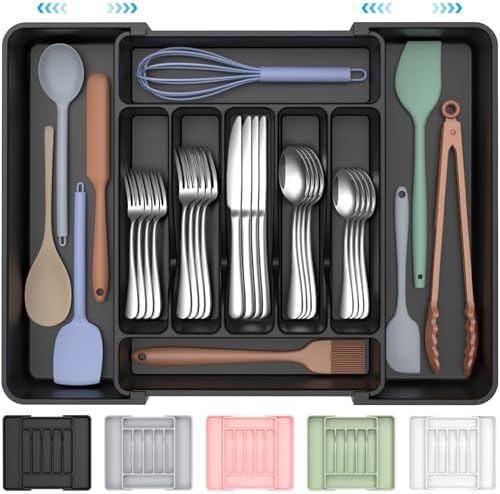
Adjustable Drawer Organizer
Expandable dividers that turn one messy drawer into defined zones without tools, which matters more than fancy storage systems in everyday use.
- No-tool setup style
- Works in multiple rooms
- Makes small drawers easier to maintain
4) Wall Protectors Are Boring—in the Best Possible Way
Some of the most useful home products are preventive, which means you notice them less over time, not more. Door handle wall protectors fit that category perfectly. If a door has ever swung too far, hit drywall, chipped paint, or left a scuff mark near a bedroom or office wall, you already understand the appeal. The damage seems minor until it happens repeatedly and turns into one more maintenance job.
This is why the product works best for renters, families with active kids, and anyone in older homes where room layouts were not designed around modern furniture placement. It is not a glamorous buy. It is a low-cost “avoid a worse problem later” purchase. Those are often the highest-utility items in any household budget because they reduce repair friction instead of reacting to it.
The other advantage is that it does not ask much from you. There is no weekly system to maintain and no learning curve. Once installed where you need it, the product quietly does its job. That is exactly the sort of item that tends to survive the novelty test, because the user does not need motivation to keep using it.
Who should skip it: homes where door swings are already limited by hardware or furniture placement, or anyone looking for a decorative improvement rather than a functional one. This is a protection-first buy.

Door Handle Wall Protector
A small renter-friendly barrier that helps prevent wall dents and paint damage in places where doors swing wider than expected.
- Helps avoid drywall scuffs
- Low-cost preventive fix
- Especially useful in rentals
5) Under-Sink Organizers Matter Because Awkward Space Is Still Space
Under-sink cabinets are where many households give up on organization. Pipes interrupt the usable footprint, bottles tip over, extra sponges disappear into the back, and cleaning products somehow manage to create a full cabinet that still wastes vertical space. That is exactly why this category earns a place in a real-world roundup. It targets a part of the home most people interact with constantly but rarely optimize well.
The strongest versions in this category are designed to work around plumbing instead of pretending the pipes are not there. That sounds obvious, but it is what separates actually useful under-sink storage from generic bins that fit beautifully in photos and poorly in real cabinets. In apartments, condos, and smaller homes, reclaiming that awkward footprint is often more valuable than buying yet another freestanding organizer that adds visual bulk somewhere else.
This is especially relevant if your broader household strategy is to make compact spaces work harder. That same small-space logic shows up in guides like air fryer accessories that improve results in real apartment life and what actually matters when choosing products for apartment kitchens. The right product is not just “small.” It uses difficult space better.
Who should skip it: homes with already-customized cabinet shelving or people who only store a couple of items under the sink. If the cabinet is not a problem zone, this will not create value out of nowhere.

Under-Sink Storage Organizer
An adjustable organizer built for awkward cabinet areas around pipes, so you can recover vertical space that usually turns into a lost zone.
- Designed for pipe obstacles
- Useful in kitchens or bathrooms
- Best for small-space storage
6) Refrigerator Deodorizers Are for People Tired of Half-Solutions
Fridge odor is one of those household frustrations that rarely feels urgent enough to solve well, so people keep applying partial fixes. They wipe a shelf, move one container, open a box of baking soda, and hope that is enough. Sometimes it is. Often it is not. The reason a reusable refrigerator deodorizer earns a spot here is not because it is dramatic. It is because it is an attempt to simplify a low-grade annoyance that keeps coming back.
The strongest case for this type of product is in busy homes, shared fridges, meal-prep routines, or households that store leftovers frequently. In those environments, the issue is not one single smell. It is the build-up of competing odors over time. A reusable, long-lasting option may be more practical for that use than repeatedly swapping basic odor absorbers and forgetting when you last replaced them.
This is also a good example of a product that does not need to be flashy to be worth buying. If it reduces one recurring annoyance without demanding much maintenance, it has already done more real work than many broader “smart kitchen” gadgets. Readers who like the practical side of kitchen upgrades may also want to browse our roundup of home and kitchen gadgets that actually improve daily routines.
Who should skip it: anyone whose real problem is spoiled food, not odor. No deodorizer replaces fridge hygiene, sealed storage, and regular cleanouts.
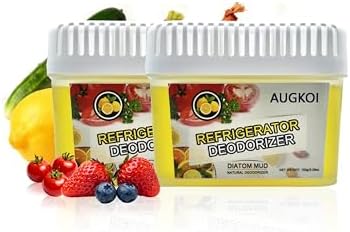
Reusable Refrigerator Deodorizer
A long-lasting odor-control option for people tired of replacing baking soda and still opening the fridge to lingering smells.
- Chemical-free positioning
- Long-lasting category option
- Good for shared or busy fridges
Scenario-Based Recommendations
Best combo for renters
Start with the door handle wall protector, sink strainer, and drawer organizer. They address the most common daily annoyances without asking for permanent changes or bulky storage solutions.
Best combo for small apartments
Prioritize the under-sink organizer, drawer organizer, and cable box. Space efficiency matters more than novelty when every cabinet, drawer, and flat surface is doing double duty.
Best combo for busy families
The sink strainer, fridge deodorizer, and wall protector are the strongest low-maintenance picks. They reduce repeated cleanup and prevent household wear without requiring a new system.
Best combo for work-from-home spaces
Go with the cable organizer box and drawer organizer first. Those two create the biggest difference in visual calm and day-to-day usability around a desk.
Who Should Skip This Entire Category
Skip this kind of roundup if you are mainly shopping for entertainment value, viral novelty, or “cool stuff” with no specific friction point in mind. These products make the most sense when you can clearly say, “This exact thing annoys me every week.” If your problem is larger—like lack of storage furniture, a broken sink, or a bad room layout—a small Amazon product may only treat the symptom.
Also skip broad “problem-solving” lists if you are already dealing with too much unused stuff at home. In that case, the better move may be to clean out what you do not use first, then buy only one item tied to one recurring frustration.
Common Mistakes People Make When Buying “Useful” Amazon Products
- Buying for a fantasy routine: if the product only works when you maintain a perfect habit, it may not survive real life.
- Solving low-frequency problems: a clever item that helps once every few months is rarely a priority buy.
- Ignoring footprint: a product that “organizes” by taking up more visible space can backfire in smaller homes.
- Choosing novelty over prevention: the quiet fixes often outperform the dramatic ones.
- Buying too many category duplicates: one good organizer is helpful; five similar organizers usually become clutter themselves.
If you are trying to make more disciplined Amazon purchases overall, our guides on products worth buying before prices rise and smart buying tips for Amazon shoppers can help you think beyond impulse clicks.
A Realistic Maintenance Routine So These Products Keep Working
The goal with problem-solving products is not to build a bigger home-management system. It is to make your current routine slightly easier. A good maintenance rhythm looks like this:
- Once a week: shake out the sink strainer, wipe the cable area, and reset one drawer or one cabinet zone.
- Every two to four weeks: check the under-sink area for leaks, drift, or products you no longer need there.
- During regular fridge cleanout: pair odor control with expired-food removal instead of expecting one product to do everything.
- When seasons change or your routine changes: repurpose adjustable organizers instead of buying new storage for every room.
That is the right mindset: use these products to reduce friction, not to create a second job.
How This Page Differs from “Cheap Stuff You Didn’t Know You Needed” Lists
This article is intentionally narrower. It does not try to cover beauty tools, car gadgets, pet items, office tech, and kitchen accessories all at once. That kind of mixed roundup often feels broad but shallow. Instead, this guide focuses on six household products that fit one coherent goal: reducing repeated friction in kitchens, apartments, rentals, desks, and shared spaces.
If you prefer a different shopping angle, you may get more value from our pages on Amazon finds that feel more premium than they cost or how to choose affordable products that still feel high quality. Those pages serve a different intent. This one is about utility first.
What Actually Gets Used After 30 Days
A useful way to judge this category is to ask what still matters a month later. Products that survive that test usually fall into one of two groups. The first group prevents a repeated nuisance before it creates work—think drain strainers and wall protectors. The second group improves a zone you interact with all the time—like drawers, under-sink cabinets, or cable-heavy desks. Both groups have something in common: they work in the background. You do not have to “remember to use them” very much, and that is exactly why they stay relevant.
By contrast, weak “Amazon find” purchases often depend on enthusiasm. They feel clever when they arrive, but they need ideal habits, extra storage space, or a level of commitment most households never sustain. That is why this article deliberately favors boring wins over flashy ones. A product that saves a little stress every week is more valuable than a product that photographs well once and then disappears into a cabinet.
Best Buying Order If You Want the Highest Utility First
- Buy the product tied to your most frequent annoyance. Frequency is the clearest shortcut to value.
- Prefer prevention before cleanup. A sink strainer or wall protector often delivers more long-term value than a product that only helps after the mess already exists.
- Prioritize products that work across rooms. Drawer organizers and cable management tools are versatile enough to move with your routine.
- Leave “nice-to-have” upgrades for later. Once your obvious friction points are handled, then it makes sense to explore other lifestyle or aesthetic picks.
That same buying discipline is helpful when comparing broader shopping intents too. If you are debating between utility-first items and more style-driven options, it can help to contrast this page with products that feel more expensive than they are or with our guide to finding affordable products that still feel premium. Those are valid goals—but they are different from solving daily friction.
FAQ
What are the best Amazon products for everyday problems?
The best ones are usually small, low-cost products tied to repeated friction: cable clutter, clogged drains, messy drawers, wall damage, wasted storage space, and lingering fridge odors. A product becomes worth it when it solves one recurring annoyance without adding new work.
Which item should most people buy first?
Start with the problem you notice most often. In many homes, that is either visible cable clutter, sink debris, or one drawer that wastes time every day. The right “first buy” depends less on category and more on frequency.
Are these Amazon finds good for apartments?
Yes—especially the drawer organizer, cable organizer box, under-sink organizer, and wall protector. They solve common apartment pain points without requiring permanent changes or oversized storage systems.
Do cheap household products from Amazon actually help?
They can, when they solve a narrow problem clearly. Cheap products disappoint when they are too gimmicky, need too much setup, or target a problem that barely affects your routine.
What should I avoid when buying “problem-solving” products?
Avoid products that require a perfect routine, take up too much space, or duplicate something you already own. A useful product should reduce friction fast and keep doing so with minimal upkeep.
Are these practical gift ideas?
Yes, especially for new renters, college students, people setting up a work-from-home area, or anyone who appreciates functional upgrades more than novelty items.
Final Verdict
The winning angle here is not “we found some random cool products.” It is small household products that remove repeated friction in real homes. That is the lane these six products fit best. They are simple, understandable, and tied to annoyances that happen often enough to justify a purchase.
The best pick for you is the one that solves the annoyance you are tired of tolerating. For visual clutter, start with the cable organizer box. For daily maintenance headaches, start with the sink strainer. For hidden chaos, choose the drawer organizer. For renters, the wall protector is an easy preventive buy. For awkward storage, the under-sink organizer is the most practical space fix. For shared-fridge fatigue, the reusable deodorizer is the most targeted upgrade.
That is what makes these products worth considering: not that they are exciting, but that they are likely to keep earning their place after the novelty fades.
Amazon disclosure: As an Amazon Associate, Buyers Choice Lab may earn from qualifying purchases. That does not change the price you pay. We recommend products based on practical fit, buying intent, and everyday usefulness. You can also review our affiliate disclosure for more detail.